 Home
 September 16, 2026
 02 Comment
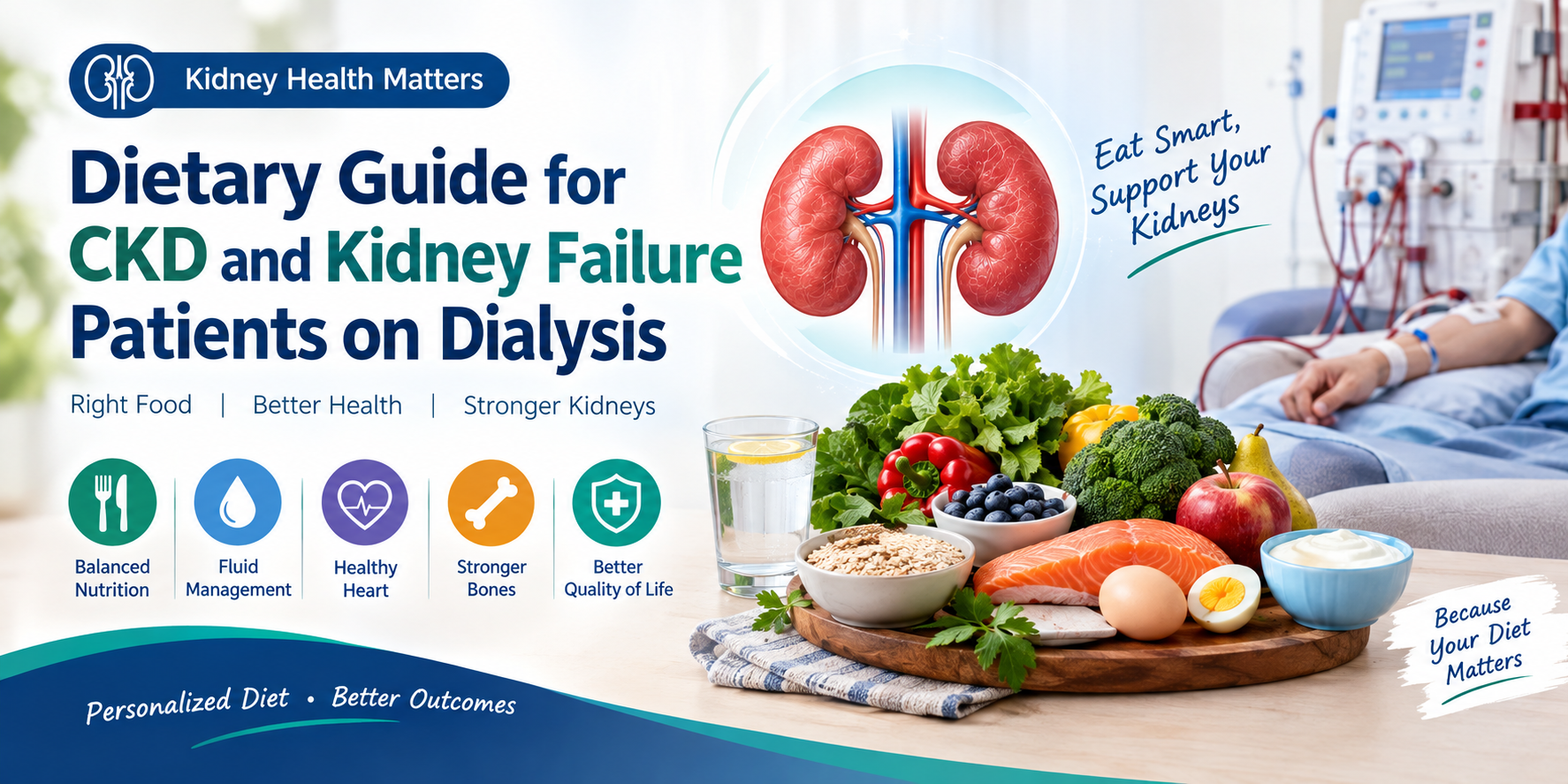
Chronic Kidney Disease (CKD) and kidney failure can significantly affect the body's ability to remove waste products and maintain the right balance of fluids, minerals, and electrolytes. For patients on dialysis, diet becomes an important part of overall care because the kidneys are no longer able to perform their normal filtering function adequately. A carefully planned renal diet can help control blood pressure, manage fluid buildup, maintain healthy potassium and phosphorus levels, support muscle health, and reduce the risk of complications.
क्रोनिक किडनी रोग (CKD) और किडनी फेलियर में शरीर से अपशिष्ट पदार्थों को बाहर निकालने तथा पानी, मिनरल्स और इलेक्ट्रोलाइट्स का संतुलन बनाए रखने की किडनी की क्षमता प्रभावित हो सकती है। डायलिसिस पर रहने वाले मरीजों के लिए आहार उपचार का एक महत्वपूर्ण हिस्सा बन जाता है, क्योंकि किडनी शरीर की सामान्य फिल्ट्रेशन प्रक्रिया को पर्याप्त रूप से नहीं कर पाती। सही रीनल डाइट ब्लड प्रेशर को नियंत्रित करने, शरीर में अतिरिक्त पानी जमा होने से रोकने, पोटैशियम और फास्फोरस का संतुलन बनाए रखने, मांसपेशियों के स्वास्थ्य को सपोर्ट करने और जोखिम कम करती है।
Important: A renal diet is not the same for every patient. Your CKD stage, dialysis schedule, urine output, blood test results, diabetes, blood pressure, medications and other health conditions can change your dietary requirements. Always follow the individualized plan provided by your nephrologist and renal dietitian.
महत्वपूर्ण: हर CKD या डायलिसिस मरीज के लिए एक जैसी डाइट सही नहीं होती। CKD का स्टेज, डायलिसिस का प्रकार और शेड्यूल, यूरिन की मात्रा, ब्लड टेस्ट रिपोर्ट, डायबिटीज, ब्लड प्रेशर, दवाइयां और अन्य स्वास्थ्य समस्याएं आपकी डाइट की जरूरतों को प्रभावित कर सकती हैं। इसलिए अपने नेफ्रोलॉजिस्ट और रीनल डाइटिशियन द्वारा दी गई व्यक्तिगत डाइट प्लान का ही पालन करें।
1. Potassium Management: Protecting Heart Health
Potassium is an important mineral that helps regulate muscle and nerve function, including the heart. When kidney function is severely reduced, potassium can sometimes build up in the blood. Very high or very low potassium levels can be dangerous and may affect heart rhythm. However, potassium restriction is not required for every CKD patient. It should be based on your blood potassium level and your doctor's advice.
1. पोटैशियम का ध्यान रखें: हृदय की सुरक्षा
पोटैशियम एक महत्वपूर्ण मिनरल है, जो मांसपेशियों और नसों के कार्य तथा हृदय की सामान्य धड़कन में भूमिका निभाता है। जब किडनी की कार्यक्षमता बहुत कम हो जाती है, तो कुछ मरीजों में खून में पोटैशियम बढ़ सकता है। पोटैशियम का बहुत अधिक या बहुत कम स्तर हृदय की धड़कन को प्रभावित कर सकता है। हालांकि, हर CKD मरीज को पोटैशियम कम करने की जरूरत नहीं होती। यह आपकी ब्लड रिपोर्ट और डॉक्टर की सलाह के अनुसार तय किया जाना चाहिए।
✅ Do's – Better Potassium Choices
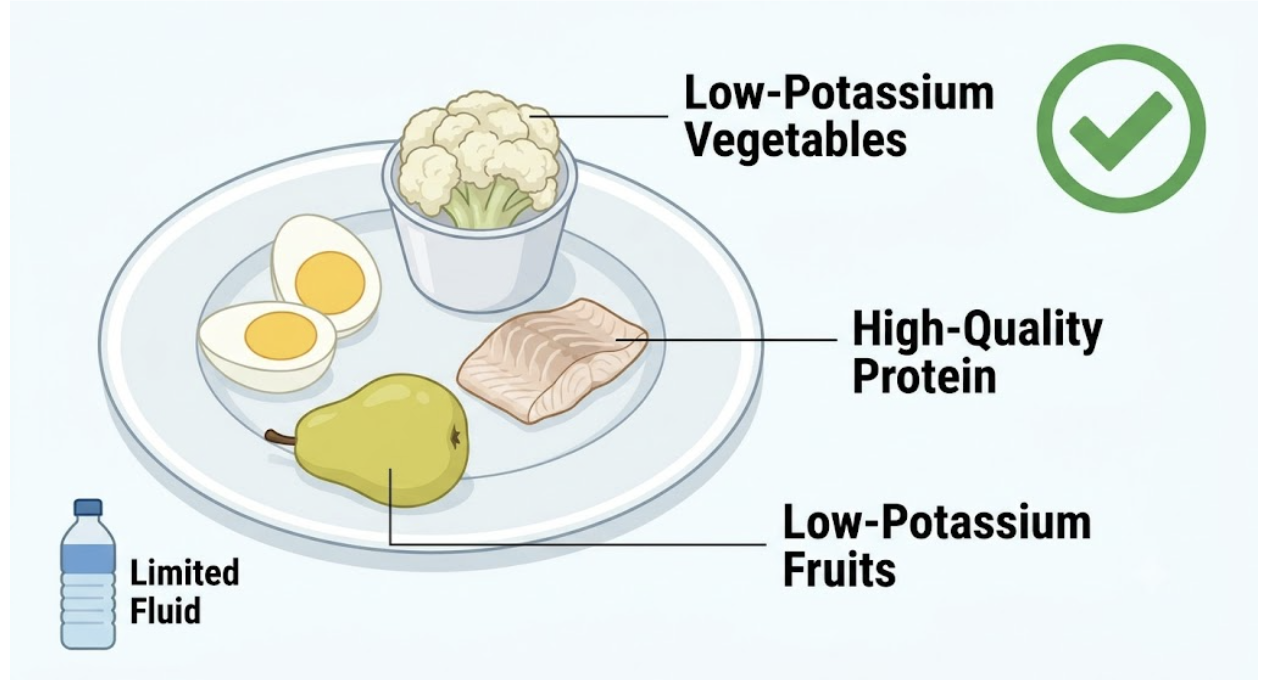
Vegetables: If your potassium level is high, your dietitian may recommend lower-potassium choices such as cabbage, cauliflower, cucumber, onion and other suitable vegetables in appropriate portions.
Fruits: Apples, pears, berries, grapes and other fruits may be suitable depending on your potassium level and prescribed portion size.
Food preparation: For certain vegetables, soaking and boiling followed by discarding the cooking water may help reduce potassium. This technique, called leaching, should be done according to your dietitian's instructions.
✅ क्या करें – कम पोटैशियम वाले विकल्प
सब्जियां: यदि आपकी पोटैशियम रिपोर्ट अधिक है, तो डाइटिशियन आपकी जरूरत के अनुसार पत्तागोभी, फूलगोभी, खीरा, प्याज और अन्य उपयुक्त सब्जियां सीमित मात्रा में लेने की सलाह दे सकते हैं।
फल: सेब, नाशपाती, बेरीज, अंगूर आदि कुछ मरीजों के लिए उपयुक्त हो सकते हैं, लेकिन मात्रा आपकी पोटैशियम रिपोर्ट और डाइट प्लान के अनुसार होनी चाहिए।
सब्जियों की तैयारी: कुछ सब्जियों को काटकर पानी में भिगोने और उबालने के बाद उस पानी को निकालने से पोटैशियम कम करने में मदद मिल सकती है। इसे डाइटिशियन की सलाह के अनुसार करना चाहिए।
❌ Don'ts – Foods That May Need Limiting
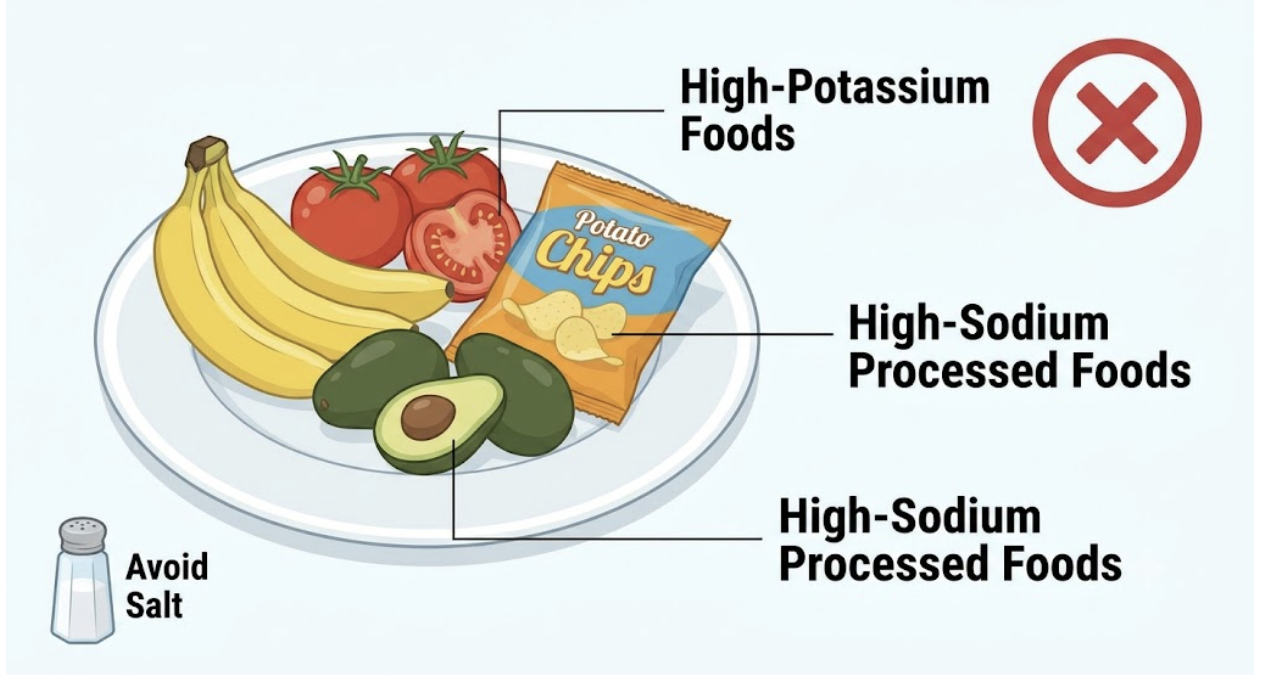
If your potassium level is high, your healthcare team may ask you to limit foods such as bananas, oranges, tomatoes, potatoes, avocados, dried fruits, coconut water and certain nuts. Potassium-containing salt substitutes should also be avoided unless your doctor specifically approves them.
❌ क्या न करें – किन खाद्य पदार्थों को सीमित करना पड़ सकता है?
यदि आपकी पोटैशियम रिपोर्ट अधिक है, तो डॉक्टर या डाइटिशियन केला, संतरा, टमाटर, आलू, एवोकाडो, सूखे मेवे, नारियल पानी और कुछ नट्स जैसे खाद्य पदार्थों को सीमित करने की सलाह दे सकते हैं। पोटैशियम वाले salt substitutes का इस्तेमाल भी बिना डॉक्टर की सलाह के नहीं करना चाहिए।
2. सोडियम पर रखें नजर, तरल पदार्थों का रखें सही संतुलन
बहुत अधिक सोडियम, जो मुख्य रूप से नमक और processed foods से मिलता है, प्यास बढ़ा सकता है और शरीर में पानी जमा कर सकता है। इससे पैरों या शरीर में सूजन, हाई ब्लड प्रेशर और कुछ मामलों में सांस लेने में परेशानी हो सकती है। डायलिसिस मरीजों में, खासकर जब यूरिन कम बनता है, दो डायलिसिस सत्रों के बीच fluid intake को नियंत्रित करना बहुत महत्वपूर्ण हो सकता है।
✅ Do's
Prefer fresh, home-cooked meals.
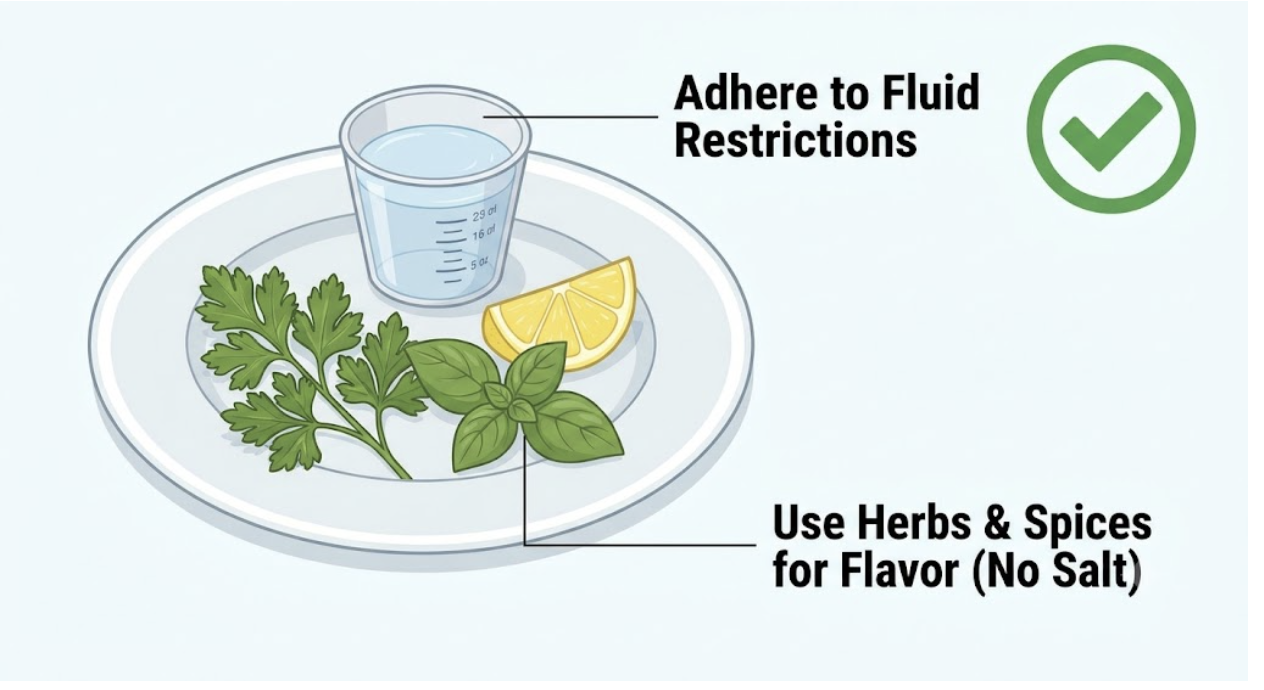
Use herbs, spices, garlic, ginger and lemon for flavour instead of excessive salt.
Check food labels for sodium.
Measure your daily fluid intake if a fluid restriction has been prescribed.
Remember that fluids can also come from soups, ice cream, ice cubes, juices and other liquid foods.
✅ क्या करें
ताजा और घर का बना भोजन प्राथमिकता दें।
अधिक नमक के बजाय herbs, मसाले, लहसुन, अदरक और नींबू आदि से स्वाद बढ़ाएं।
पैकेज्ड खाद्य पदार्थों पर sodium की मात्रा जरूर देखें।
यदि डॉक्टर ने fluid restriction बताई है, तो पूरे दिन के fluid intake को मापकर रखें।
याद रखें कि fluid केवल पानी से नहीं मिलता; सूप, आइसक्रीम, बर्फ, जूस और अन्य liquid foods भी fluid intake में शामिल हो सकते हैं।
❌ Don'ts
Avoid frequent consumption of pickles, papad, chips, namkeen, instant noodles, packaged soups, processed meats, fast food and other high-sodium foods. Do not increase your fluid intake simply because you feel thirsty; follow the fluid limit prescribed for you.
❌ क्या न करें
अचार, पापड़, चिप्स, नमकीन, instant noodles, packaged soups, processed meat, fast food और अन्य अधिक sodium वाले खाद्य पदार्थों का सेवन कम करें। केवल प्यास लगने के कारण जरूरत से ज्यादा पानी न पिएं। आपके लिए निर्धारित fluid limit का पालन करें।
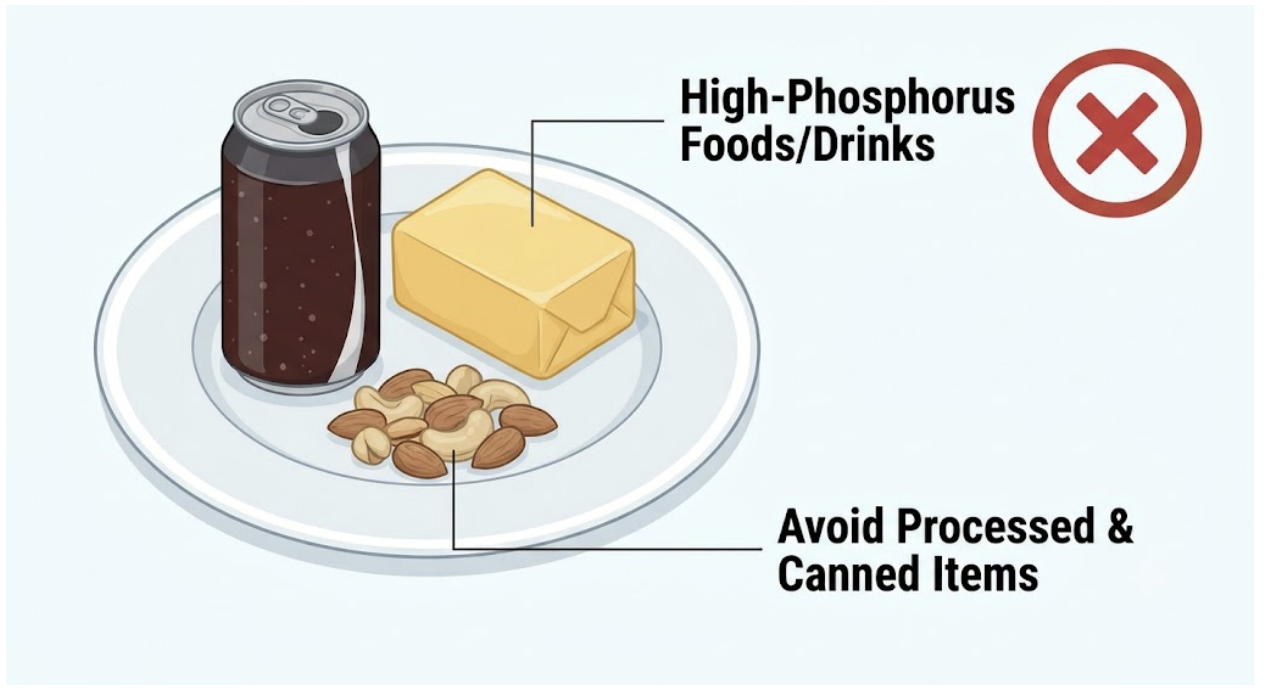
3. Phosphorus Control: Supporting Bone and Overall Health
High phosphorus levels can lead to weak bones and heart problems. It's important to limit foods high in phosphorus and take phosphate binders if prescribed by your doctor.
3. फास्फोरस पर नियंत्रण: हड्डियों और स्वास्थ्य की सुरक्षा
उच्च फास्फोरस स्तर से हड्डियां कमजोर हो सकती हैं और हृदय संबंधी समस्याएं हो सकती हैं। फास्फोरस में उच्च खाद्य पदार्थों को सीमित करना और यदि आपके डॉक्टर द्वारा निर्धारित किया गया हो तो फॉस्फेट बाइंडर्स लेना महत्वपूर्ण है।
✅ Do's
Choose more fresh, minimally processed foods. If phosphate binders have been prescribed, take them exactly according to your nephrologist's instructions, commonly with meals or snacks containing phosphorus.
✅ क्या करें
ताजे और कम processed foods को प्राथमिकता दें। यदि डॉक्टर ने phosphate binders prescribed किए हैं, तो उन्हें नेफ्रोलॉजिस्ट के निर्देश के अनुसार लें। इन्हें अक्सर भोजन या ऐसे snacks के साथ लेने की सलाह दी जाती है जिनमें phosphorus होता है।
❌ Don'ts
Limit foods and drinks that are high in phosphorus or contain phosphate additives, such as dark cola beverages, processed cheese, processed meats, certain packaged foods, nuts and seeds, depending on your individual diet plan.
❌ क्या न करें
Dark cola beverages, processed cheese, processed meats, कुछ packaged foods, nuts और seeds जैसे अधिक phosphorus वाले खाद्य पदार्थों को आपकी व्यक्तिगत डाइट प्लान के अनुसार सीमित करना पड़ सकता है। Food labels पर ऐसे ingredients देखें जिनमें “phos” शामिल हो, क्योंकि ये phosphate additives का संकेत हो सकते हैं।
4. Protein: The Right Balance Is Important
Protein requirements change as kidney disease progresses. Some patients with non-dialysis CKD may be advised to moderate protein intake, while patients receiving dialysis generally require adequate, high-quality protein because dialysis can increase protein losses. The exact amount should be individualized based on body weight, nutritional status, dialysis type and medical advice.
4. प्रोटीन का सही संतुलन
किडनी की बीमारी के अलग-अलग चरणों में protein की जरूरत अलग हो सकती है। कुछ ऐसे CKD मरीज जो डायलिसिस पर नहीं हैं, उन्हें डॉक्टर की सलाह के अनुसार protein intake को नियंत्रित करने की आवश्यकता हो सकती है। वहीं, डायलिसिस मरीजों को आमतौर पर पर्याप्त मात्रा में high-quality protein की जरूरत होती है, क्योंकि dialysis के दौरान कुछ protein loss हो सकता है। सही मात्रा आपके वजन, nutritional status, dialysis के प्रकार और डॉक्टर की सलाह के आधार पर तय होनी चाहिए।
✅ Suitable Protein Sources
Depending on your overall renal diet plan, suitable high-quality protein sources may include egg whites, fresh fish, lean poultry and other recommended protein foods.
✅ उपयुक्त प्रोटीन स्रोत
आपकी renal diet plan के अनुसार egg whites, fresh fish, lean poultry और अन्य recommended protein foods high-quality protein के अच्छे स्रोत हो सकते हैं।
❌ Avoid Unplanned Protein Restriction
Do not drastically reduce protein on your own after starting dialysis. At the same time, avoid taking protein supplements or high-protein products without consulting your doctor or renal dietitian.
❌ बिना सलाह के प्रोटीन कम या ज्यादा न करें
डायलिसिस शुरू होने के बाद अपने आप protein को बहुत कम न करें। वहीं, बिना डॉक्टर या renal dietitian की सलाह के protein supplements या high-protein products लेना भी उचित नहीं है।
5. Choose Fresh Foods Over Highly Processed Foods
Fresh, home-cooked food generally makes it easier to control sodium, phosphorus additives and other ingredients. Packaged and processed foods may contain large amounts of sodium and phosphate additives even when they do not taste extremely salty.
5. ताजे भोजन को दें प्राथमिकता
ताजा और घर का बना भोजन चुनने से sodium, phosphorus additives और अन्य ingredients को नियंत्रित करना आसान होता है। कई packaged और processed foods में sodium और phosphate additives की मात्रा अधिक हो सकती है, भले ही उनका स्वाद बहुत ज्यादा नमकीन न लगे।
6. Read Food Labels Carefully
If you have CKD or are on dialysis, food labels can become an important tool. Look for sodium content and ingredients containing “phos.” If potassium is restricted for you, also check whether potassium-based additives are present. Your dietitian can teach you how to read labels according to your individual restrictions.
6. Food Labels को ध्यान से पढ़ें
CKD या dialysis के मरीजों के लिए food labels को समझना उपयोगी हो सकता है। Sodium की मात्रा और ऐसे ingredients देखें जिनमें “phos” लिखा हो। यदि आपके लिए potassium restriction है, तो potassium-based additives की जानकारी भी देखें। आपका renal dietitian आपको आपकी व्यक्तिगत restrictions के अनुसार food labels पढ़ना सिखा सकता है।
Conclusion: A Kidney-Friendly Diet Is Part of Your Treatment
A well-planned diet can play an important role in helping CKD and dialysis patients manage their condition and maintain better nutritional health. The goal is not simply to “eat less,” but to eat the right foods in the right quantity while maintaining appropriate sodium, potassium, phosphorus, protein, calorie and fluid balance.
Your dietary requirements can change over time, especially when kidney function, dialysis treatment or laboratory values change. Regular follow-up with your healthcare team and periodic review of your diet can therefore be extremely important.
निष्कर्ष: सही आहार आपके उपचार का महत्वपूर्ण हिस्सा है
एक सही और संतुलित diet CKD और dialysis मरीजों को अपनी condition को बेहतर तरीके से manage करने और nutritional health बनाए रखने में मदद कर सकती है। लक्ष्य केवल “कम खाना” नहीं है, बल्कि सही foods को सही मात्रा में लेना और sodium, potassium, phosphorus, protein, calories तथा fluids का उचित balance बनाए रखना है।
समय के साथ आपकी kidney function, dialysis treatment या blood reports में बदलाव हो सकते हैं, इसलिए आपकी diet की जरूरत भी बदल सकती है। नियमित medical follow-up और समय-समय पर diet की समीक्षा करना बहुत महत्वपूर्ण है।
If you or your family member is experiencing kidney-related, urinary or urological problems, timely medical evaluation can help identify the underlying condition and guide appropriate treatment.
For expert consultation and guidance regarding kidney and urinary health, connect with Dr. Priyank Bhargava, Consultant Urologist & Andrologist.
Website: drpriyankurologist.com
WhatsApp: https://wa.me/917733007222
Appointment: +91-77330-07222
321, Opp. Westside, 3rd A Road, Sardarpura, Jodhpur – Rajasthan 342003
Poorva Health Care
MCh Urology – AIIMS, Jodhpur (Gold Medalist)
MBBS, MS – AIIMS, New Delhi
AIIMS Delhi Alumnus
Consultant Urologist & Andrologist
Dr. Priyank Bhargava


September 15, 2026
September 16, 2026

July 31, 2026

May 12, 2026
