Kidney and urinary tract stones are one of the most common urological conditions, causing severe pain and complications if left untreated. Dr. Priyank Bhargava, the only AIIMS-trained urologist in Western Rajasthan, provides advanced diagnosis and treatment for kidney and urinary tract stones with minimally invasive procedures and personalized care.

What Are Kidney & Urinary Tract Stones?

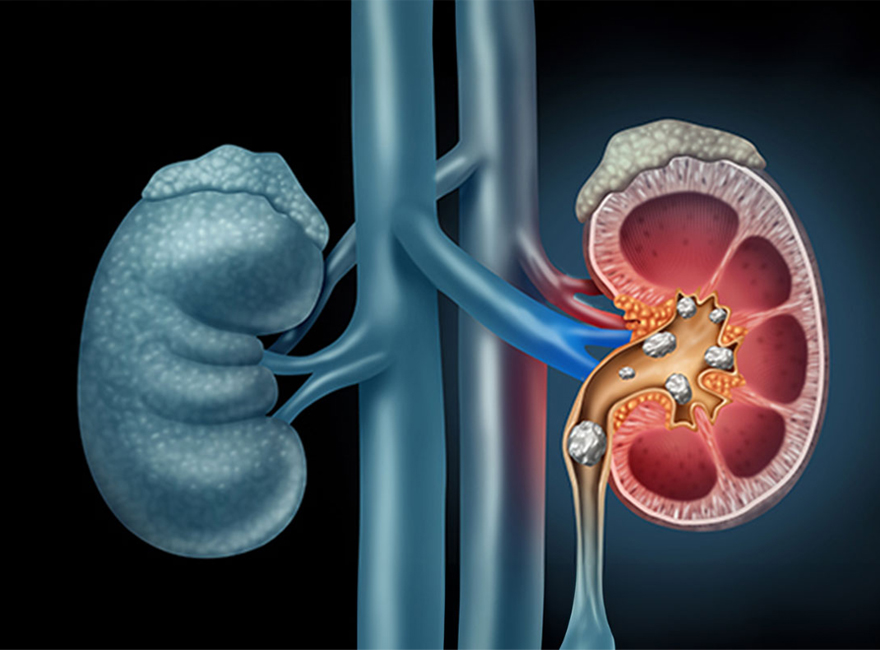
Kidney stones, also known as renal calculi, are hard deposits of minerals and salts that form inside the kidneys. These stones can also travel to other parts of the urinary tract, such as the ureters or bladder, causing pain, urinary problems, and potential infections.

The size, type, and location of the stone determine the severity of symptoms and the treatment approach. Early diagnosis and timely treatment are essential to prevent complications like obstruction, infection, or kidney damage.
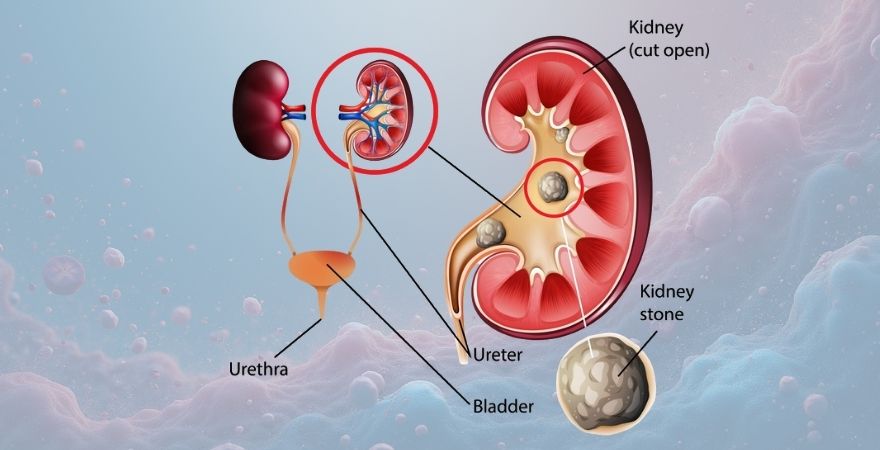
Causes of Kidney Stones

png

Several factors can contribute to the formation of kidney and urinary tract stones:

  • Dehydration: Insufficient fluid intake concentrates urine, increasing the risk of stone formation.
  • Dietary Factors: High intake of salt, sugar, oxalate-rich foods, or animal protein can contribute to stone formation.
  • Medical Conditions: Diabetes, obesity, urinary tract infections, and hyperparathyroidism can increase risk.
  • Genetic Predisposition: Family history may increase susceptibility to kidney stones.
  • Lifestyle Factors: Sedentary lifestyle and low fluid consumption are significant contributors.

Symptoms of Kidney & Urinary Tract Stones

Kidney stones can present with varying severity depending on their size and location. Common symptoms include:

  • Severe pain in the lower back, side, or abdomen
  • Pain during urination
  • Blood in urine (hematuria)
  • Frequent urination or urgency
  • Nausea and vomiting
  • Cloudy or foul-smelling urine
  • Fever and chills (if infection is present)

Diagnosis of Kidney Stones

Dr. Priyank Bhargava employs advanced diagnostic techniques to accurately identify the size, type, and location of urinary tract stones:-

  • Ultrasound of Kidneys & Urinary Tract – Non-invasive imaging for detecting stones.
  • X-Ray and CT Scan – High-resolution imaging for precise evaluation.
  • Urine Analysis & Blood Tests – To identify infections, minerals, and kidney function.
  • Stone Analysis – Helps determine stone composition and prevent recurrence.

Book Your Consultation Today

Take the first step toward improved hygiene, confidence, and comfort. Schedule your consultation with Dr. Priyank Bhargava at Poorva Health Care, Jodhpur.

Advanced Treatment Options

1. Non-Surgical Management

  • Medication & Pain Relief: For small stones that can pass naturally.
  • Hydration Therapy: Increased fluid intake to help flush stones.
  • Medical Expulsive Therapy: Medications that facilitate stone passage.

2. Minimally Invasive Procedures

  • Shock Wave Lithotripsy (SWL): Uses focused sound waves to break stones into smaller pieces for easy passage.
  • Ureteroscopy (URS): A small scope is inserted into the urinary tract to remove or break stones.
  • Percutaneous Nephrolithotomy (PCNL): Used for large or complex kidney stones; involves a small incision to remove stones directly.

3. Open Surgery (Rare Cases)

In rare, complicated cases where minimally invasive techniques are not feasible, open surgery may be recommended.
png

Why Choose Dr. Priyank Bhargava for Kidney & Urinary Stones?

Dr. Priyank Bhargava, the only AIIMS-trained urologist in Western Rajasthan, offers expert care for kidney and urinary tract stones. He specializes in minimally invasive treatments, ensuring faster recovery and effective results. Each patient receives personalized treatment plans tailored to their stone type and health needs. From accurate diagnosis to prevention and follow-up, Dr. Bhargava provides comprehensive care to restore urinary health and comfort.

Don’t let kidney stones affect your life. Contact Dr. Priyank Bhargava at Poorva Health Care, Jodhpur, for expert consultation and treatment.

png

Frequently Asked Questions

Common causes include dehydration, high salt or oxalate diet, obesity, urinary tract infections, certain medical conditions, and genetic predisposition.
Symptoms include severe back or abdominal pain, blood in urine, frequent urination, nausea, vomiting, and cloudy or foul-smelling urine.
Dr. Bhargava uses ultrasound, X-ray, CT scans, urine and blood tests, and sometimes stone analysis to determine size, type, and location.
Treatments include medications, shock wave lithotripsy (SWL), ureteroscopy, percutaneous nephrolithotomy (PCNL), and, in rare cases, open surgery.
Yes, by staying hydrated, eating a balanced diet, reducing salt and oxalate intake, maintaining healthy weight, and managing underlying medical conditions.

© 2025 Dr. Priyank Bhargava All rights reserved.