Home
Home
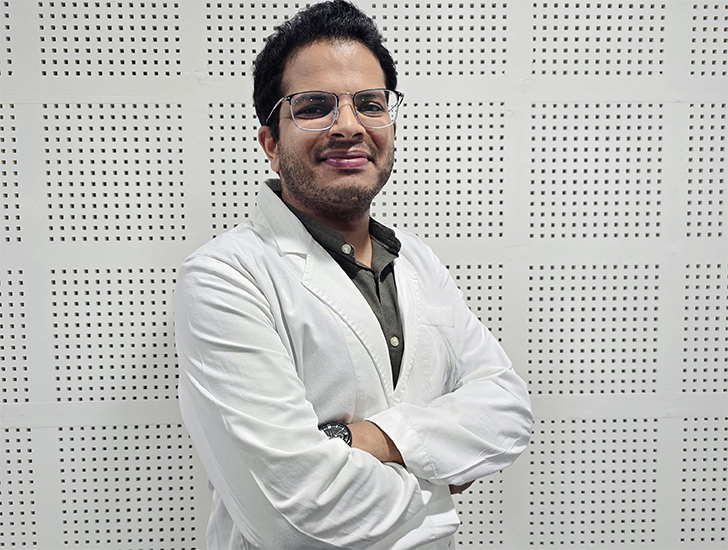
Male fertility is a vital component of reproductive health, yet male infertility is often overlooked. Approximately 7% of men face challenges in conceiving, caused by a variety of medical, lifestyle, and physiological factors. Dr. Priyank Bhargava, the only AIIMS-trained urologist in Western Rajasthan, offers expert diagnosis and personalized treatments for male infertility, helping patients achieve their dream of parenthood.

Male infertility is defined as the inability of a man to conceive with his partner despite regular, unprotected intercourse for 12 months or more. While this condition can be stressful, the good news is that most cases are treatable. Dr. Bhargava provides a comprehensive evaluation to identify the underlying causes and develops customized treatment plans to maximize fertility outcomes.
1. Age
Fertility naturally declines in men after the age of 40, with decreased sperm quality and quantity over time.
2. Lifestyle Factors
Smoking, alcohol consumption, recreational drug use, poor diet, lack of exercise, and high-stress levels can significantly affect fertility.
3. Medical Conditions
Chronic illnesses such as diabetes, hypertension, and thyroid disorders can interfere with normal reproductive function.
4. Hormonal Imbalances
Low testosterone or elevated prolactin levels can impair sperm production and function.
5. Genetic Factors
Conditions like Klinefelter syndrome or Y chromosome microdeletions may affect sperm production.
6. Varicocele
Enlarged veins in the scrotum increase testicular temperature, reducing sperm quality and function.
7. Infections
STIs, prostatitis, or other infections can damage reproductive organs and impair fertility.
8. Environmental Factors
Exposure to pesticides, industrial chemicals, or radiation can negatively impact sperm health.
Male infertility is often subtle and may only become apparent when trying to conceive. Key indicators include:
Varicocelectomy (Varicocele Surgery)
Varicocele is a leading cause of male infertility, affecting up to 15% of men. Varicocelectomy surgically corrects enlarged veins, restores normal blood flow, and improves sperm production.
Sperm Retrieval Techniques
For men with low or absent sperm production, Dr. Bhargava uses advanced retrieval procedures:-
Intrauterine Insemination (IUI)
Sperm is directly introduced into the uterus during ovulation to increase the chances of conception, often paired with fertility medications.
In Vitro Fertilization (IVF)
IVF involves fertilizing eggs with sperm in a laboratory, often combined with sperm retrieval techniques for severe male infertility cases.
Intracytoplasmic Sperm Injection (ICSI)
ICSI injects a single sperm into an egg, offering high success rates for men with low sperm count or motility issues.
In addition to medical treatments, Dr. Bhargava emphasizes lifestyle adjustments to enhance reproductive health:
When to Consult a Urologist
If you have been trying to conceive for over a year without success, or if you experience symptoms like testicular pain, blood in semen, or decreased libido, early consultation is crucial. Dr. Bhargava provides comprehensive diagnostic assessments, including hormonal tests, semen analysis, and testicular biopsies, to pinpoint the exact cause of infertility.

Dr. Priyank Bhargava is Western Rajasthan’s only AIIMS-trained Urologist and Andrologist, bringing world-class expertise in male reproductive health. With experience as a Former Assistant Professor of Urology and Renal Transplant at MDM Hospital, he combines academic excellence with clinical precision. At Poorva Health Care, Jodhpur, Dr. Bhargava offers advanced fertility diagnostics, minimally invasive surgeries, and personalized care in a professional, ethical, and patient-friendly environment.
Dr. Bhargava combines extensive experience with advanced medical technology to provide effective solutions for male infertility, supporting patients throughout their fertility journey.