Home
Home
Urine retention and slow urination are common urological problems that can significantly affect daily life and overall health. These conditions often indicate underlying issues in the urinary tract, bladder, or prostate. Dr. Priyank Bhargava, the only AIIMS-trained urologist in Western Rajasthan, offers advanced diagnosis and effective treatments to relieve symptoms and restore healthy urinary function.
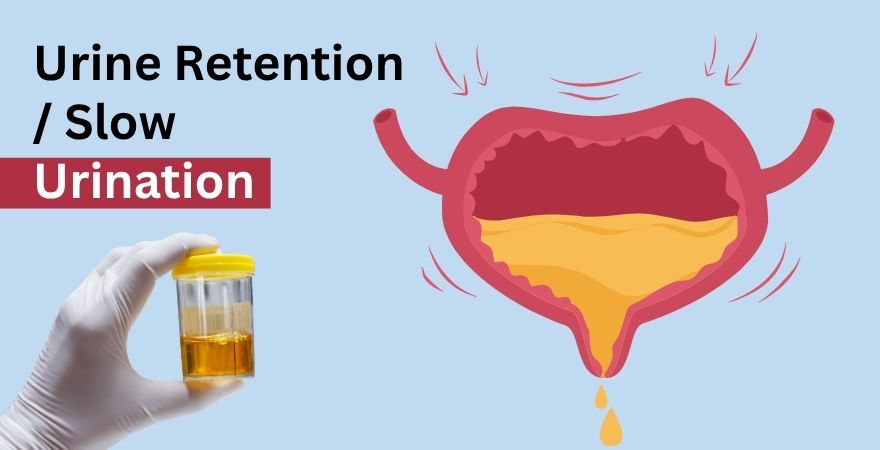
Urine retention is the inability to completely empty the bladder during urination. It can be acute (sudden and severe) or chronic (gradual and persistent). Slow urination, also known as weak urinary stream, is often a symptom of underlying bladder outlet obstruction or other urological disorders.
Left untreated, these conditions can lead to complications such as urinary tract infections (UTIs), kidney damage, or bladder dysfunction. Early evaluation and treatment are essential for maintaining urinary and renal health.
1. Enlarged Prostate (BPH)
Benign Prostatic Hyperplasia (BPH) is one of the most common causes in men over 40. An enlarged prostate compresses the urethra, leading to difficulty initiating urination and a weak stream.
2. Urinary Tract Obstruction
Stones, strictures, or tumors in the urinary tract can block urine flow, resulting in retention and slow urination.
3. Neurological Conditions
Nerve-related disorders such as spinal cord injuries, multiple sclerosis, or diabetic neuropathy can interfere with bladder control.
4. Medications
Certain medications, including antihistamines, decongestants, and some antidepressants, can cause urinary retention as a side effect.
5. Weak Bladder Muscles
Over time or due to chronic conditions, bladder muscles may weaken, making it difficult to fully empty the bladder.
6. Infections
Urinary tract infections or prostatitis can lead to inflammation and obstruction, causing slow or painful urination.
Urodynamic Studies
Comprehensive testing evaluates bladder function, pressure, and flow to identify the underlying cause of retention.
Medications
Depending on the cause, medications may include alpha-blockers, anticholinergics, or medications to reduce prostate size.
In severe cases, surgery may be required to remove obstructions, stones, or tumors, restoring normal urinary function.
Temporary or intermittent catheterization may be used to relieve acute retention and protect kidney function while treatment is planned.
Immediate consultation is recommended if you experience:
Dr. Priyank Bhargava provides thorough evaluation, advanced diagnostic tests, and personalized treatment plans to effectively manage urine retention and slow urination.

Dr. Priyank Bhargava, the only AIIMS-trained urologist in Western Rajasthan, brings exceptional expertise in diagnosing and treating complex urinary disorders. With experience as a former Assistant Professor at MDM Hospital, he offers advanced, minimally invasive treatments tailored to each patient’s needs. At Poorva Health Care, Jodhpur, Dr. Bhargava ensures compassionate, results-driven care focused on restoring comfort, bladder health, and overall quality of life.